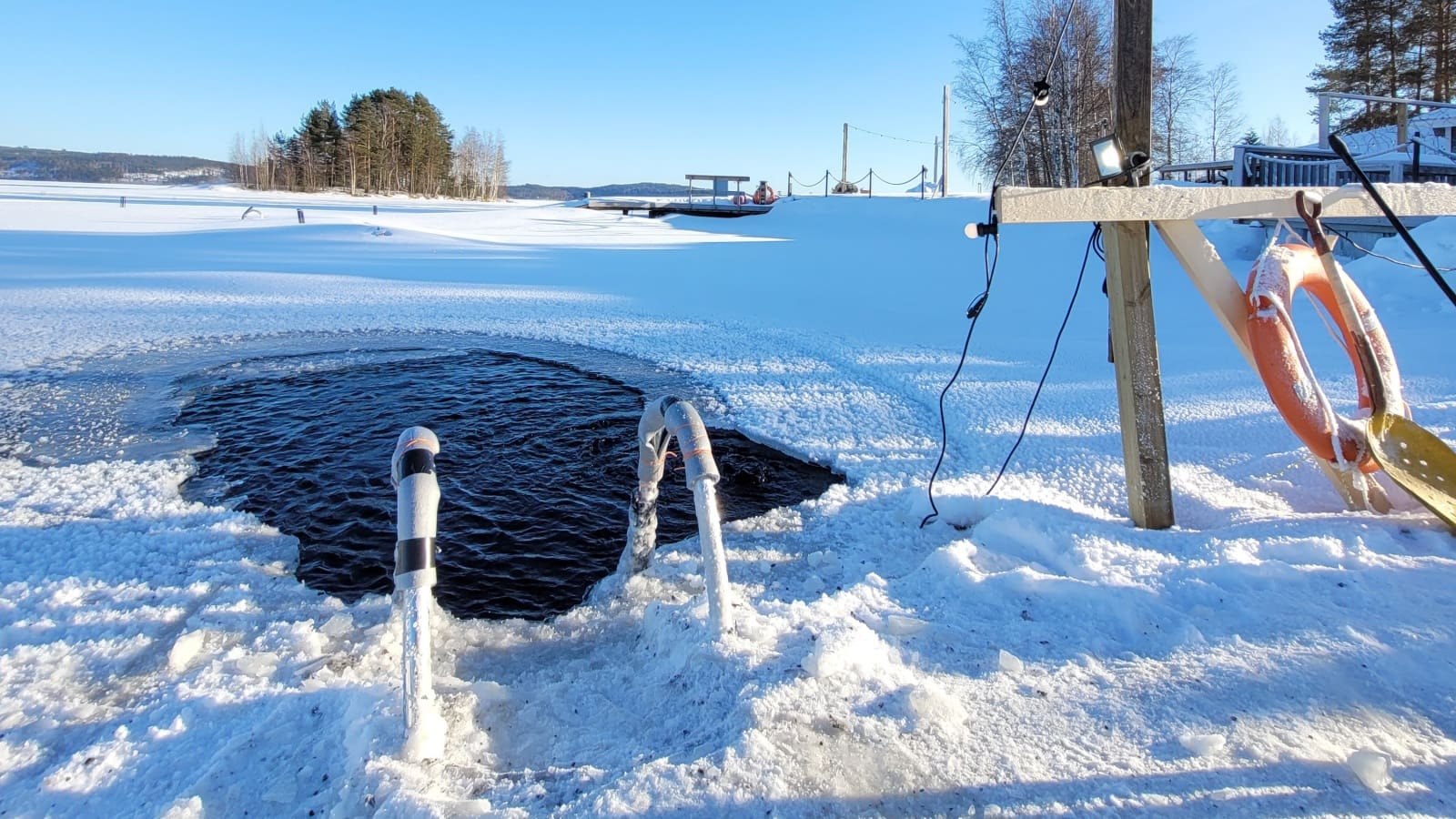
Finnish winter: traveller’s guide to the Jyväskylä Region
Winter in the Jyväskylä Region is both enchanting and extreme. In the Jyväskylä Region, snow-covered landscapes invite adventure, while sub-zero temperatures demand preparation. This guide answers the most common questions travelers have about winter weather, dressing warmly, getting around safely, and enjoying seasonal activities.
Whether you’re planning your first snowy escape or returning for more Nordic magic, here’s how to make the most of winter in the Jyväskylä Region, Lakeland Finland.
What’s the weather like in the Jyväskylä Region in winter?
Winter in the Jyväskylä Region can be truly magical, but it also brings challenging conditions. Temperatures vary widely, from mild +5 °C to extreme lows of –30 °C. Cold winds often make it feel even colder than the actual temperature.
February is typically the coldest month, with average temperatures around –9 °C, though occasional cold spells can push temperatures down to –30 °C. Snowfall is frequent, and snow depth can reach several tens of centimeters. Heavy snow may reduce visibility, so be prepared for rapidly changing conditions.
How dark is it in winter?
In the Jyväskylä Region, winter days are quite short but not completely dark. Around December and early January, the sun rises at about 9:30 AM and sets around 3 PM, so you get about six hours of daylight.
Even though the days are short, the snow make the surroundings much brighter, and you can still enjoy outdoor activities during the daytime and beautiful twilight in the afternoons. Despite the limited light, snow reflects sunlight strongly, so packing sunglasses is highly recommended.

How to stay warm during winter time?
Layering is key to staying comfortable outdoors. Air trapped between layers provides insulation, so avoid clothing that is too tight.
- Base Layer: Worn against the skin to wick away moisture and keep you dry. Merino wool is an excellent choice for warmth and breathability.
- Middle Layer: Retains body heat. Wool sweaters or lightweight wool blends work well for active use.
- Outer Layer: Protects against wind, snow, and rain. Choose a slightly loose-fitting jacket and pants (or a winter jumpsuit) for better insulation and freedom of movement.
Additional tips:
- Wear a warm hat, as most body heat escapes through the head.
- Add a scarf and consider hand and foot warmers for extra comfort.
- Check the “feels like” temperature in your weather app before heading out—wind can make it feel much colder.
- Use a cold-weather moisturizer to protect your skin and lips. Some regular moisturizers may freeze outdoors.
- Tie up or tuck in long hair to prevent it from freezing and becoming brittle.
How to get around in winter?
Roads can be icy, so caution is essential. Winter tires are mandatory for all cars in Finland, and rental cars are equipped accordingly. Roads are plowed and sanded, but they can still be slippery – avoid sudden turns and braking early. Keep a safe distance from other vehicles and avoid stopping on hills. If your car gets stuck in snow, stay calm. Placing wood or sand under the tires can help regain traction.
Cycling in winter is possible but challenging. Winter tires with studs are highly recommended for extra grip. Always use front and rear lights, and wear reflectors at all times due to low daylight.
For walking, studded shoe grips are helpful. Roads are gritted, but icy patches remain. Be extra careful when crossing streets, as visibility for drivers is reduced in the dark. Due to the low levels of daylight, it is advisable to wear reflectors around the clock.
Public transport runs normally throughout winter, though minor delays can occur. Allow extra time for your journey.
What winter activities can you do in the Jyväskylä Region?
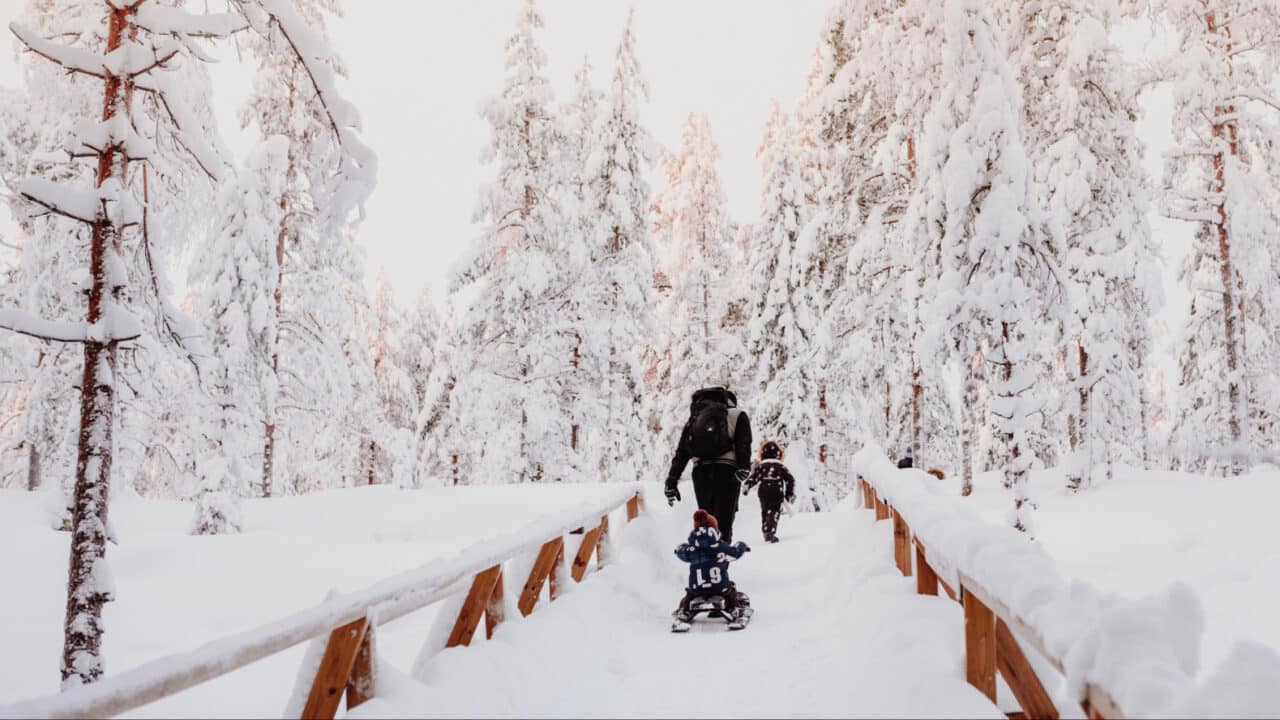
In the Jyväskylä Region, you can experience a variety of traditional Finnish winter activities, including cross-country and downhill skiing, ice skating, and sledding. Find out more about the exciting winter activities on offer.
Is it safe to walk on frozen lakes?
Lakes in the Jyväskylä Region usually freeze completely during winter, creating beautiful opportunities for outdoor activities. However, safety should always come first when venturing onto ice.
- Avoid dark patches on the ice, as these areas are often thinner and weaker.
- Do not go onto the ice after several mild days, as thawing can make it unsafe.
- Remember that the center of the lake freezes last. The farther you move from the shore, the more cautious you should be.
- You can check ice thickness through local online services before heading out.
Only step onto the ice if you are absolutely certain it can support your weight. Official skating tracks are generally safe, but always verify their condition before using. Never go onto the ice after dark, as visibility is poor and risks increase significantly.
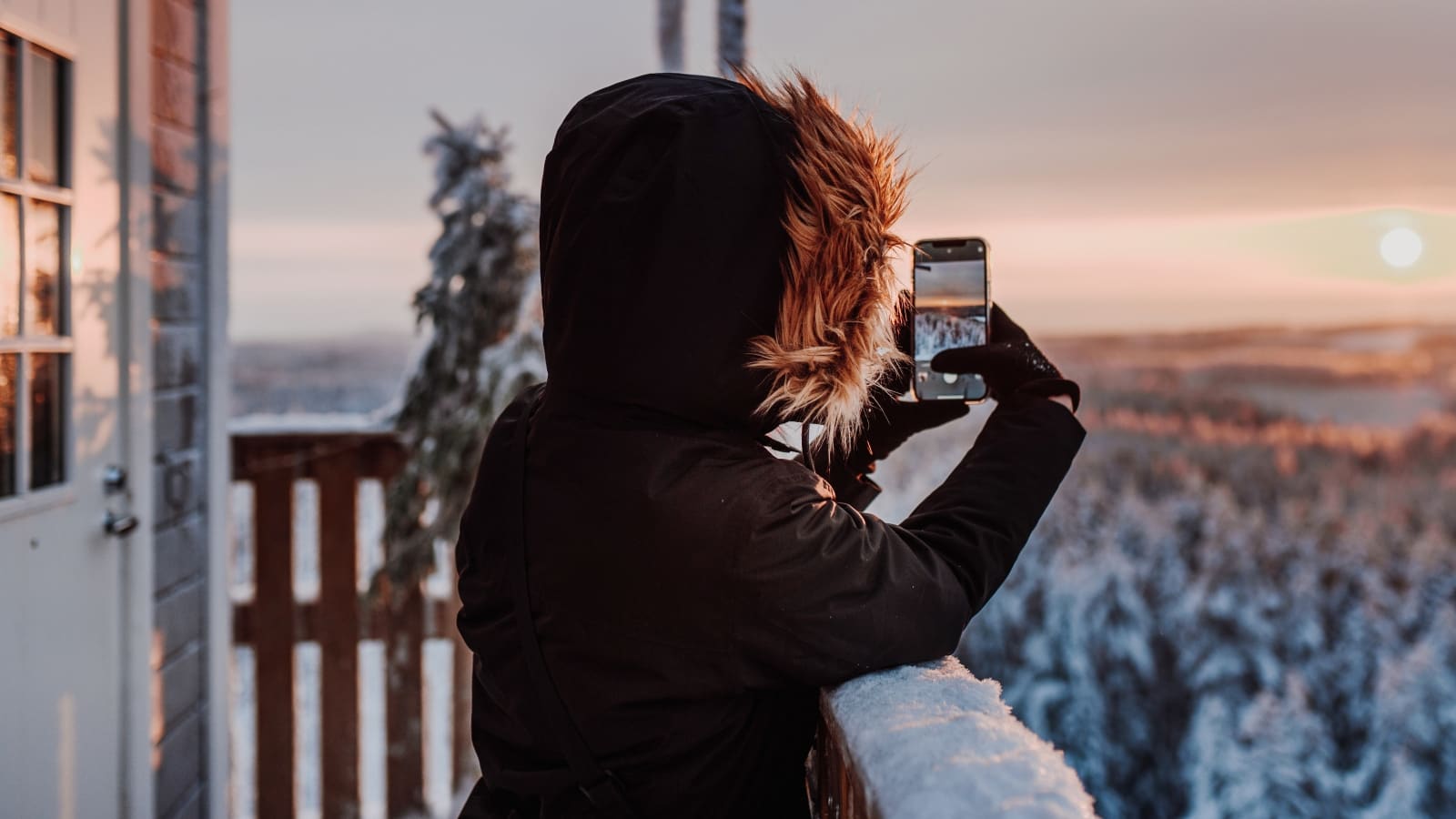
5-Day Finnish Lakeland Winter Itinerary
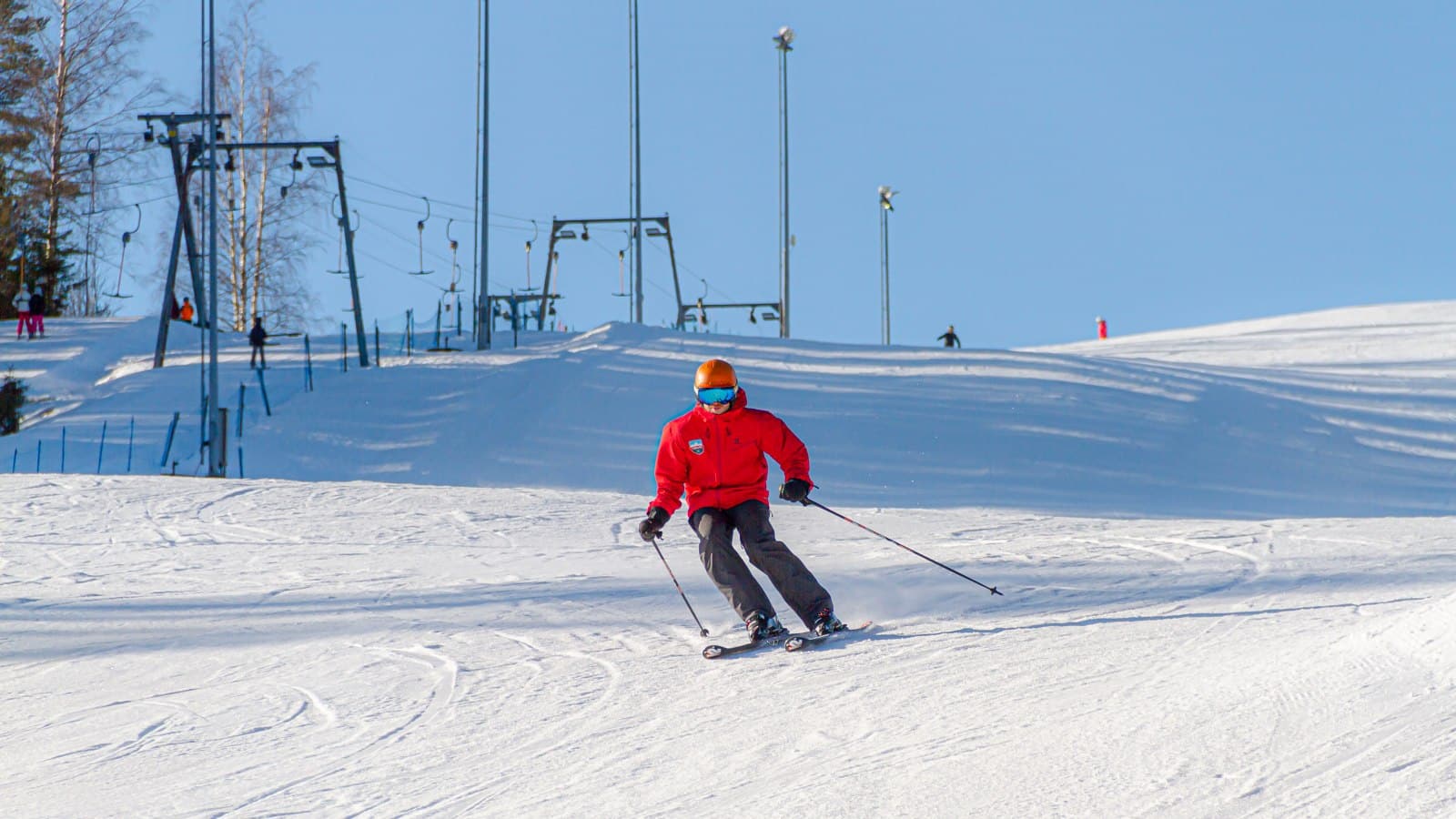
Top 5 winter activities in the Jyväskylä Region
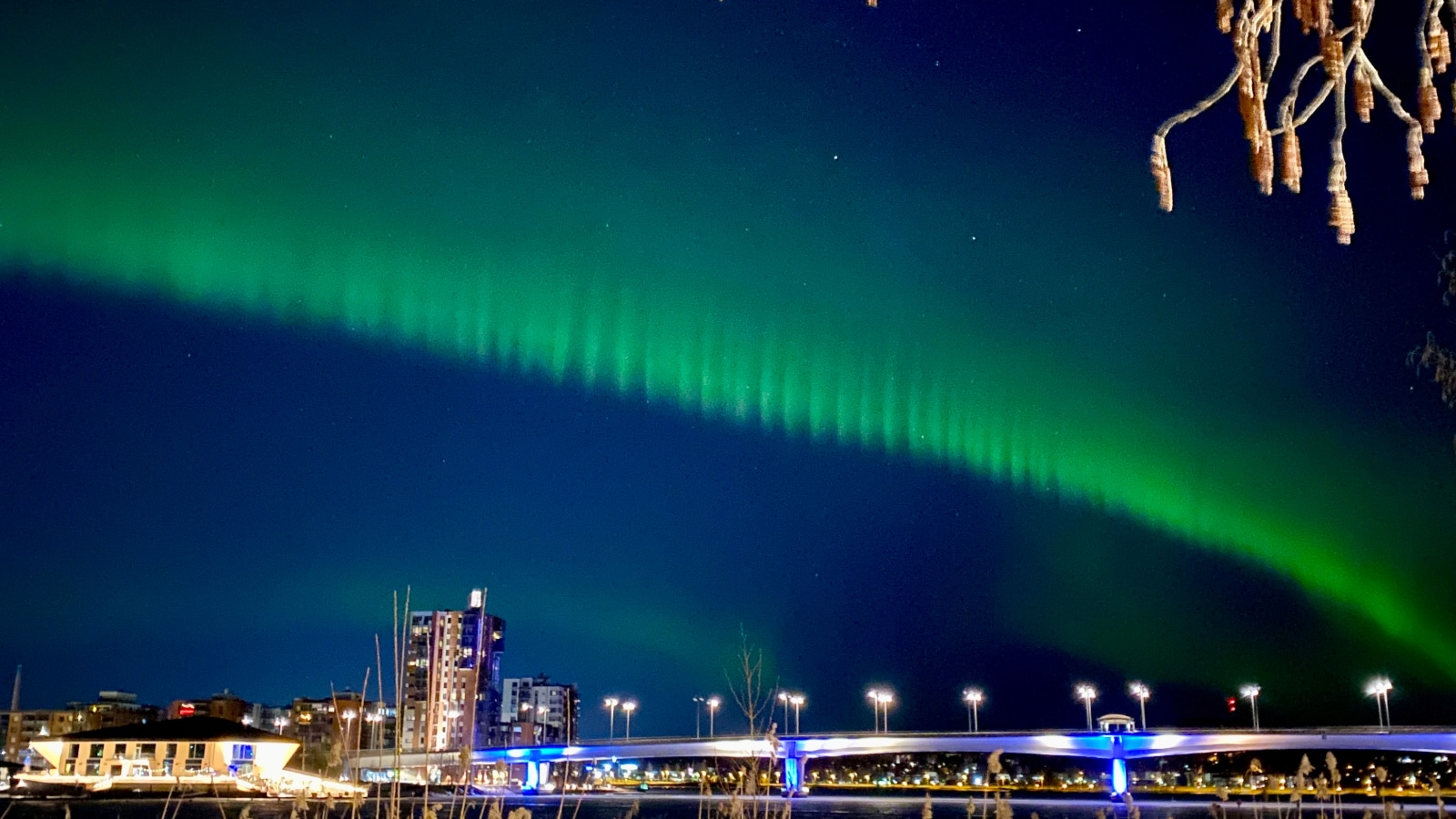
Most frequently asked questions about Northern Lights