What is Jyväskylä known for?
What makes Jyväskylä truly unique? Is it the sounds of the Harju Evening Song echoing across the city on summer evenings, its iconic events, or the vibrant student culture that shapes everyday life? Here are ten things that are unmistakably Jyväskylä, and the reasons why this lakeside city is so easy to love.

1. The Harju ridge evening song
If you’re in Jyväskylä on a summer evening, listen carefully at 8 pm. From the top of Harju Ridge, at the Vesilinna observation tower, the sound of the Harju Evening Call rings out across the city. This cherished tradition is an essential part of summer in Jyväskylä and beloved by locals. Carried over the lakes and waterways, the melody can be heard far beyond the city centre. The piece performed each evening is Laulu synnyinseudulle (“Song for One’s Homeland”), composed by Aulis Raitala and played on the trumpet by Torsten Lindfors.
The tradition continues during the Christmas season, when the city is filled with the gentle sounds of Joulun kellot (“Christmas Bells”). This special Christmas version of the Evening Call is played daily at 6 pm, from the opening of the Christmas season until Epiphany.

2. Athens of Finland – a city shaped by students
Around 27% of Jyväskylä’s population are students, meaning that more than one in four people you pass on the street is likely to be studying. Their presence gives the city a youthful, vibrant atmosphere and makes student life a visible part of everyday life. During the academic year, the colorful student overalls enliven the city’s atmosphere, when students are going to their events. Nowadays, the city is also popular among international students, currently being a home for about 3000 students who moved to Jyväskylä from abroad.
Jyväskylä offers a wide range of educational opportunities, and its campuses can be found across the city. At the heart of the city centre lies Seminaarinmäki, the main campus of the University of Jyväskylä and often regarded as one of Finland’s most beautiful university campuses. The area features several buildings designed by Alvar Aalto, alongside architecture from different periods spanning more than a century. The Aalto campus is also part of the Aalto Works ensemble, which has been inscribed on the UNESCO World Heritage List.
Jyväskylä and Seminaarinmäki hold a special place in Finland’s educational and cultural history, and thus Jyväskylä has been called “Athens of Finland” since 1850. It was here that Finland’s first teacher training college was founded, educating future pioneers of Finnish society, including writer Minna Canth and poet J. H. Erkko. The institution also marked an important step towards equality, as it was the first place in Finland where women were able to pursue higher education. In recognition of its historical significance, Seminaarinmäki and its legacy of equal access to education have been awarded Finland’s first European Heritage Label.

3. The home of rap and stand-up comedy
Finnish-language rap is hugely popular in Finland, and Jyväskylä is known for its distinctive and influential artists. With a twinkle in the eye, the city has even been dubbed Finland’s rap capital. Some of the biggest names to emerge from Jyväskylä include Lauri Haav and Gettomasa, both recipients of the prestigious Emma Awards, Finland’s equivalent of the Grammy Awards. The latter, Gettomasa, has even been given the world’s first “keys to the city” from the city of Jyväskylä, as a way of thanking the artist for representing the city proudly. If you’re looking for a rap gig or live music of any kind, be sure to check out the programme at the legendary Tanssisali Lutakko.
Jyväskylä also punches above its weight when it comes to stand-up comedy. Many well-known Finnish comedians have lived, studied, or launched their careers in the city. The most internationally renowned comedian from Jyväskylä is Ismo Leikola, who has been crowned The Funniest Person in the World.

4. The nature and the city go hand in hand
Despite Jyväskylä being a vibrant city with approximately 150,000 inhabitants, the nature is always behind the corner. 98% of people residing in Jyväskylä live less than a maximum of 300 meters away from their closest forest. The city and the nature are close-knitted even in the centre, and for example Tourujoki Nature trail is only a 10 minute walk away from the most central part of the city centre’s shopping district. In Jyväskylä, you do not need to compromise as you can get the best of both worlds: the city and the nature. The nature is accessible for everyone and everywhere – even in the middle of the centre, which makes it a unique place to experience. The city of Jyväskylä is also home to over three hundred lakes, which make up 20% of the city’s surface area.
5. Finnish design – the capital of Aalto design
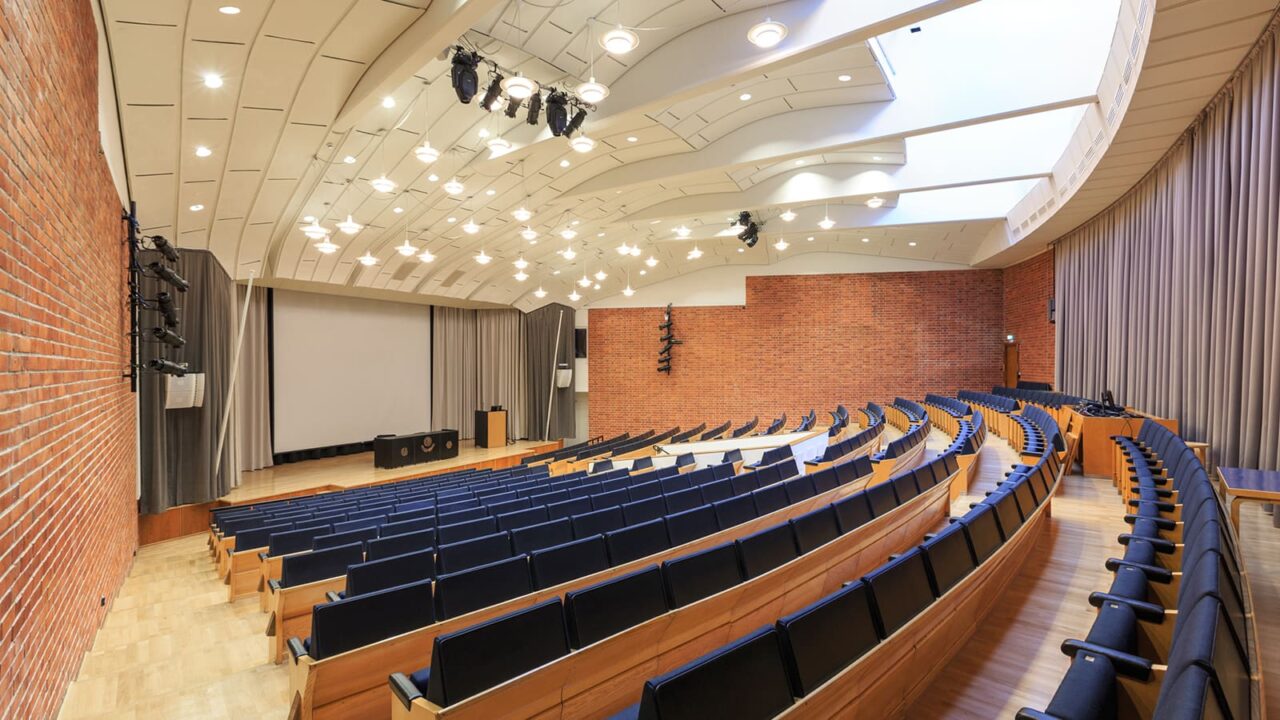
Globally renowned architect and academician Alvar Aalto, is one of Finland’s most beloved designers. Aalto was raised in Jyväskylä, and after his studies, returned to the city, where he worked for a few years together with his wife, architect Aino Marsio-Aalto. The couple’s first child was also born in the city. Jyväskylä is known as the capital city of Aalto design due to being home to the largest collection of buildings designed by Alvar Aalto and his wifes in the whole world, offering 30 locations: 29 houses and one boat, for visitors to explore. Aalto designs have shaped the Finnish design ever since 1919. Jyväskylä played a significant role in Aalto’s life – that’s where Alvar Aalto grew up, worked and started family, and where he kept returning during summers: to their summer house (Muuratsalo experimental house) which he designed together with his second wife, architect Elissa Aalto. 13 buildings designed by Alvar, Aino and Elissa are part of the UNESCO World Heritage –listed Aalto Works series, out of which 3 can be visited in Jyväskylä.

6. The city of light
Jyväskylä is known as the City of Light. ontrasts – light and darkness, create unique atmosphere in the city. Jyväskylä is a pioneer in urban lighting, and has been awarded in an international City.People.Light –competition. Annually, the city of Jyväskylä organizes City of Light –event, immersing the city with light art during autumn nights. In 2026, the event gathered over 210,000 visitors over 9 day course to enjoy light art installations. Additionally to the event held every autumn, there are over 100 permanent light installations around the city, offering year-round urban art experiences to visitors and locals.

7. The man under the bridge
Public art can be found throughout Jyväskylä, but perhaps the most recognisable and talked-about piece is the figure suspended beneath Kuokkala Bridge. It is best viewed from the nearby sections of the Rantaraitti lakeside route or from the deck of one of the boats passing beneath the bridge.
The work was originally commissioned by the City of Jyväskylä from local artist Seppo Uuranmäki for the Jyväsjärvi Environmental Art Exhibition in 2002. The plan was for the sculpture to remain on display for just one summer. Things turned out differently. Local residents quickly grew fond of it, and the figure has been hanging beneath Kuokkala Bridge for more than twenty years. So lifelike is the sculpture that many passers-by have mistaken it for a real person at first glance.
8. Success in the national sport of Finland
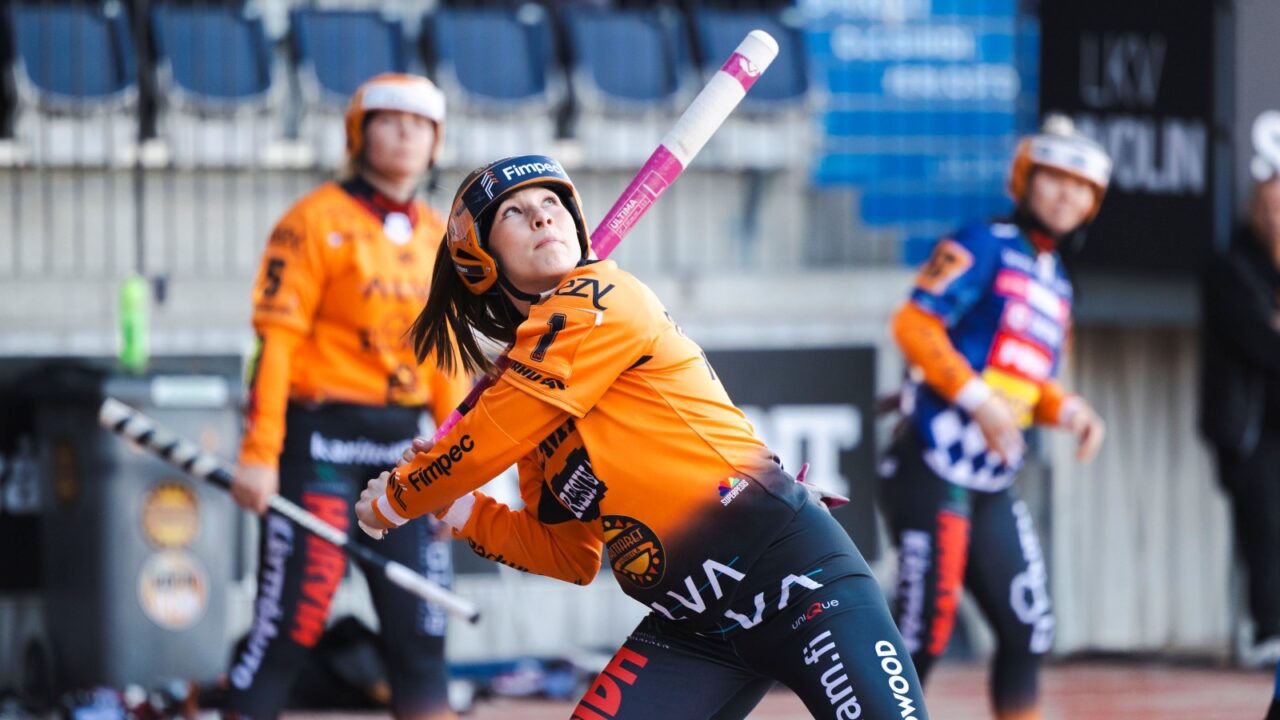
Finnish baseball (pesäpallo or “pesis” in Finnish), is a popular ballgame in Finland, often even claimed to be the national sport of the country. The sport is fun to follow, due to its fast pace and its set of unique rules, such as vertical pitching and a different field layout compared to traditional baseball. The game is played widely around Jyväskylä, and the city has four baseball organizations, each with multiple teams under them. The teams have been widely successful – for example women’s team Kirittäret has won the Finnish championships of baseball most of times of all teams in the 2000s, and have earned many medals alongside championship titles as well. The men’s team playing on the second highest national league, Jyväskylän Kiri, has additionally earned a notable amount of medals. Finnish baseball is also the most followed women’s ball sport nationally. Baseball games usually run from May to September, and watching one offers fun activity for a summer evening!

9. Sausage and fries with all the seasonings
Have you ever wondered while studying the menu at a Jyväskylä grill what “Taksari” might be? Jyväskylä’s most famous grill kiosk dish “Taksari” was developed in the 70s at Pikagrilli, one of Central Finland’s first grill kiosks. Taxi drivers expressed their wish to the grill owner for a dish that would include sausage. Soon a dish named “Taxi driver’s portion” appeared on the menu according to the taxi drivers’ wishes, consisting of deep-fried sausage and French fries. Quickly “Taxi driver’s portion” was shortened to “Taksari” in the taxi drivers’ speech. The sausage and fries at Jyväskylä grill kiosks can still be found on the menu under the name Taksari. You can stay that “Taksari” is as dear to Jyväskylä residents as fish and chips are to the British people.

10. Iconic events
Named one of Europe’s coolest cities by The Sunday Times, Jyväskylä is also a vibrant meeting place where unique events create unforgettable experiences throughout the year.
At the heart of local cultural life is Jyväskylä Festival, the oldest continuously running cultural festival in Finland. Founded more than 70 years ago, the festival was established with the involvement of none other than Alvar Aalto himself. Another long-standing favourite is Yläkaupungin Yö (“Night of the Upper Town”), a multidisciplinary urban festival held each May. For many locals it marks the beginning of the summer season.
Alongside its rich cultural scene, Jyväskylä is known as a city of sport and outdoor activity. The most legendary sporting event of all is Secto Rally Finland, Finland’s round of the FIA World Rally Championship. Rallying has a long history in Jyväskylä, with the first event taking place as early as 1951. Visitors can experience the excitement of the rally right in the heart of the city, whether at the famous Harju special stage or in the service park at Lutakko.
What did you think of our content?
Your feedback is important to us. We are continuously improving our content based on the feedback we receive.