Discover the most special museums in the Jyväskylä Region
Are you looking for unique museums in the Jyväskylä Region? We have compiled the Jyväskylä Region’s most unique cultural sites – small and personal museums that offer nostalgic experiences even for the more experienced culture enthusiast. Embark on a museum tour that leads you into the world of nostalgic toys, the history of aviation technology, and the authentic atmosphere of war bunkers. Along the way, old radios and telephones tell stories of bygone eras, and an impressive collection of the national instrument kantele invites you to stop at the folk musician tradition’s concert center.
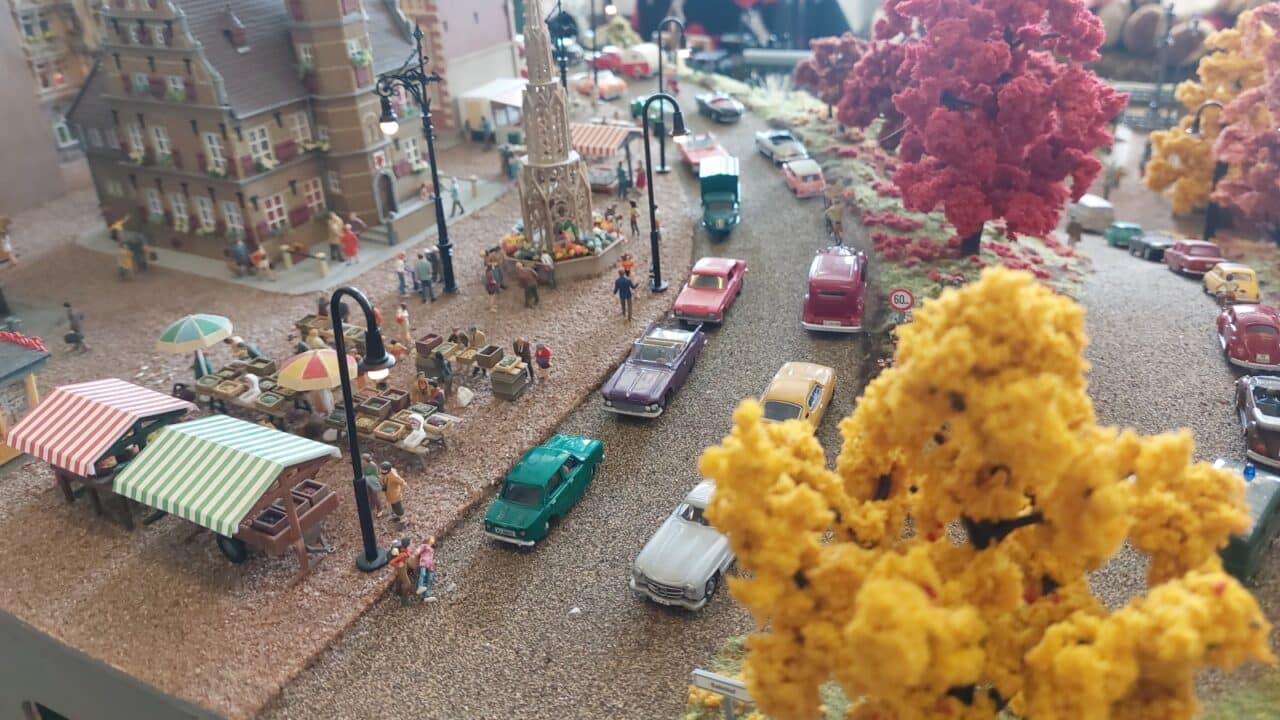
Take a nostalgic journey back to the world of childhood games
Toy Museum Helminauha originated from a love of play and memories – the collection was born from the everyday life of a large family and grew into a museum in an old school building in Alhojärvi, Jämsä. The museum’s founders Taila and Kari Helin began collecting toys through their own and foster children, having noticed how much emotional value is attached to old toys.
The toys that had delighted the family’s children in their play were supplemented with flea market finds and donations. The toy collection grew so large that it needed its own space. This is how Finland’s largest private toy museum was born, which was opened in a former elementary school and displays over 10,000 toys from the early 1900s to the present day.
For the family’s children, the museum’s toys tell about games and everyday life from different eras, while for adults they offer a unique journey back in time to their own childhood memories. The exhibition also features toys that have been almost forgotten – they awaken memories, make you feel emotional and bring a smile to your face. The Toy Museum is a place where shared memories of childhood games come alive and gain new meaning.

Aviation History in Halli
Hallinportti Aviation Museum offers a unique overview of the history of Finnish Air Force aviation technology. The museum, located near Jämsä Halli airfield, is maintained by the Aviation Technology Guild in cooperation with the Air Force Technical School.
The museum’s activities have their roots in an aircraft exhibition opened in Kauhava in 1968. The Hallinportti Aviation Museum settled in its current location in 1980 when the Air Force Technical School operations moved to Halli. The museum is an excellent destination for those interested in history, technology and aviation. What makes the Halli Aviation Museum special are the unique rarities in its collection, such as the Rumpler 6B floatplane fighter.
In connection with the Hallinportti Aviation Museum, in the former aircraft factory and office building, operates The Brother’s Old Office whose exhibition consists of the history of the Karhumäki brothers, aerial photography and charter travel, as well as the development of Halli village into a center of aviation industry.
From Tikkakoski in Jyväskylä you can find the Finnish Air Force Museum, which presents military aviation history from the 1910s to the present day.
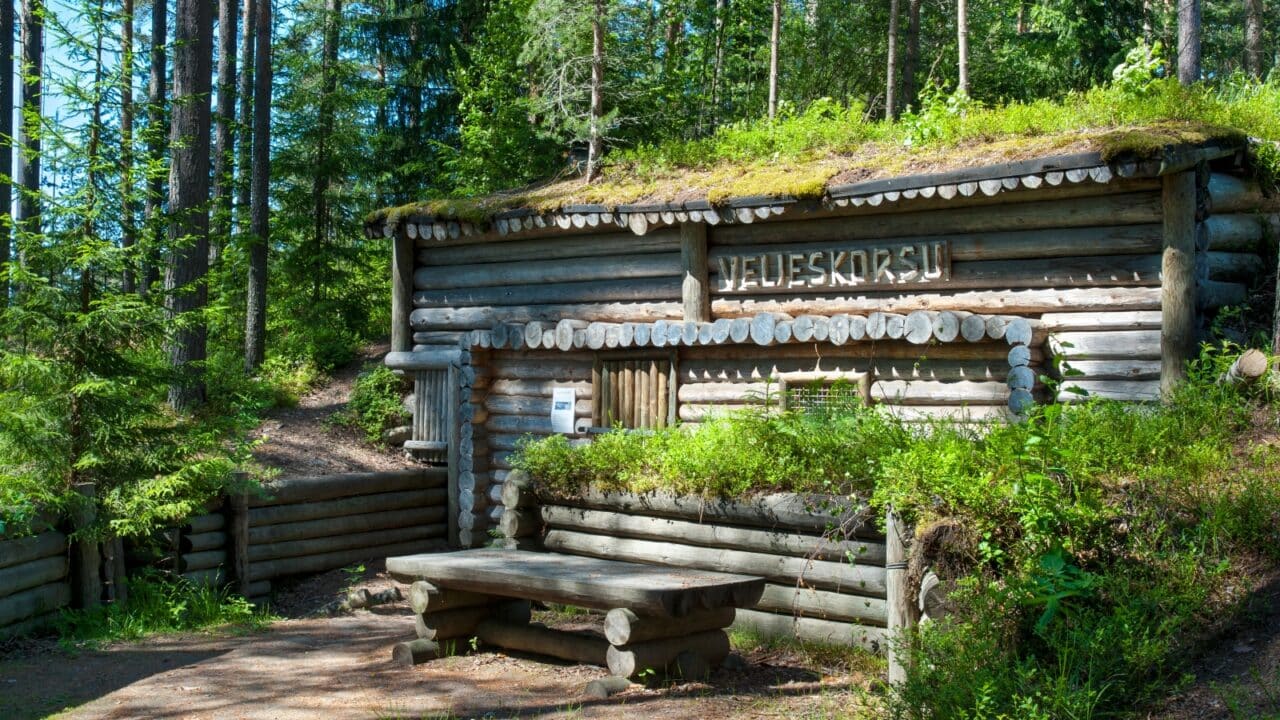
Get a glimpse into wartime bunker life
Korsumuseum in Laukaa in the Peurunka area offers an experiential glimpse into wartime bunker life. The museum site is built according to the model of an authentic wartime bunker and presents the everyday life of front-line soldiers during the final stages of the positional war.
The brother bunker corresponds in its equipment and dimensions to an infantry half-squad bunker of about 20 men at the front line during the final phase of the defensive period. The museum’s purpose is to convey to future generations an understanding of what life was like in wartime bunkers.
The bunker museum, built and maintained through volunteer work by Korsuveljet ry, has been operating since 1989 and its exhibition consists of the bunker as well as authentic wartime remnants. A guide is present during the Korsumuseo presentation times. The Korsumuseo is located near the Peurunka spa, on a hillside.
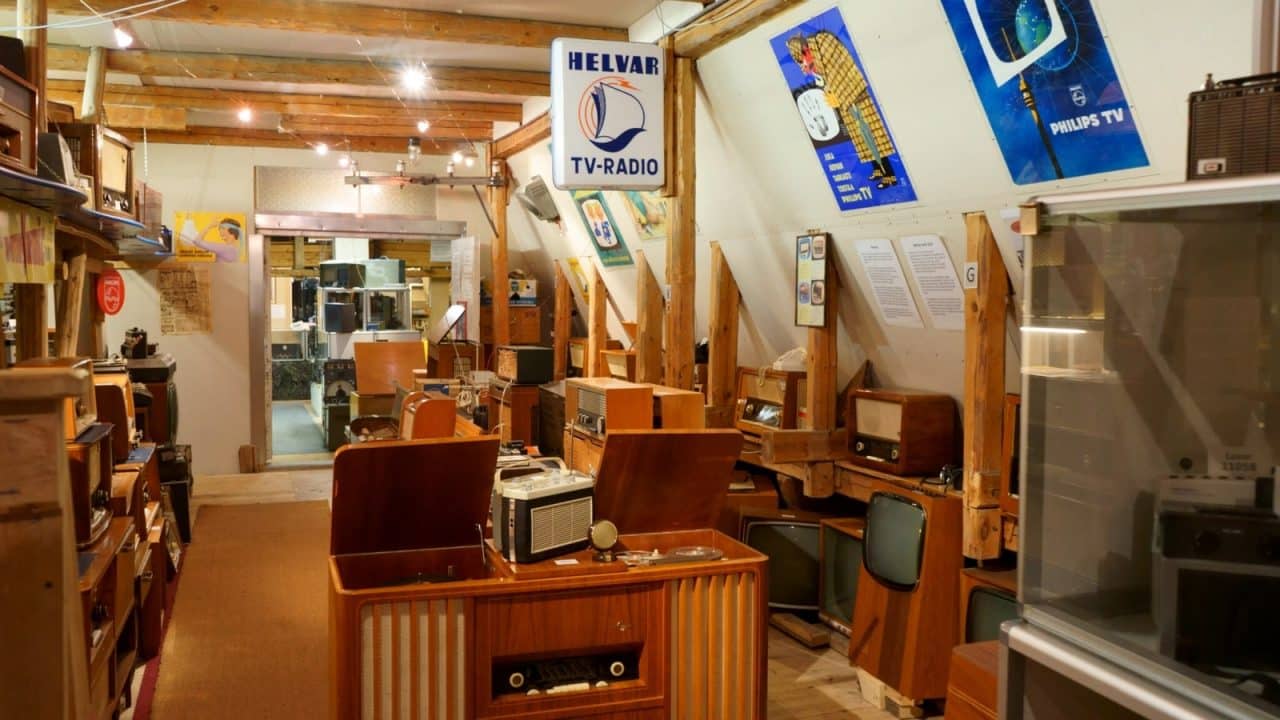
Take a journey through the history of electronic communication
At the Petäjävesi Radio and Telephone Museum you can explore a collection of nearly 4,000 items – the museum’s permanent exhibitions cover the development of telephone devices, radio receivers, central equipment and measuring instruments over more than a hundred years. The museum’s extensive collection consists of private collections, the museum’s own artifacts, and items from the Finnish Radio Historical Society.
The gems of the telephone device collection include Ericsson’s so-called skeleton telephone from 1892. Rare radios also make the museum a fascinating destination, with the oldest radio in the collection dating from 1921. Also on display is a rare and impressive French Ducretet 7-tube radio from 1925. The collection gains its own interesting addition from eavesdropping and espionage devices used during wars and in intelligence work.
The museum is located in a historical environment in a former old people’s home built in 1916 in Heinämäki, Petäjävesi, and is maintained by the Petäjävesi Museum of Old Communication Devices Support Association.
For those interested in the subject, there is also the Pappisten’s Phone Museum located in Pappinen, Joutsa, which focuses on the history of telephones.

Take a journey to the roots of folk music and the kantele tradition
At Palokka’s Pelimannitalo, a well-known folk music concert venue, you can find a true rarity – Finnish Kantele Museum. The kantele has a significant role in Central Finnish folk music tradition. Central Finns have had their own distinctive way of playing the kantele with a stick or piece of leather instead of fingers.
The historical environment of the concert center, managed by the Jyväskylä Folk Music Association, in an old grain warehouse provides a worthy setting for the national instrument collection. The museum was founded by instrument researcher and master folk musician Kari Dahlblom. The instruments on display focus primarily on Central Finnish kanteles. What is special about all the museum’s kanteles is that they are not restored due to their research value. Each kantele in the collection also has its own unique story: where, when and how the instrument was built. In addition to Finnish kanteles, instruments from the Baltic countries, for example, are also on display.
The collection is constantly growing and approximately 120 kanteles are currently on display. After the kantele museum founder Dahlblom’s personal collection was transferred to the North Karelia Museum in 2021, the instruments remaining in the Finland Kantele Museum collection at Palokka’s Pelimannitalo were better showcased. The kantele has a significant role in Central Finnish folk music tradition. Central Finns have had their own distinctive way of playing the kantele with a stick or piece of leather instead of fingers.
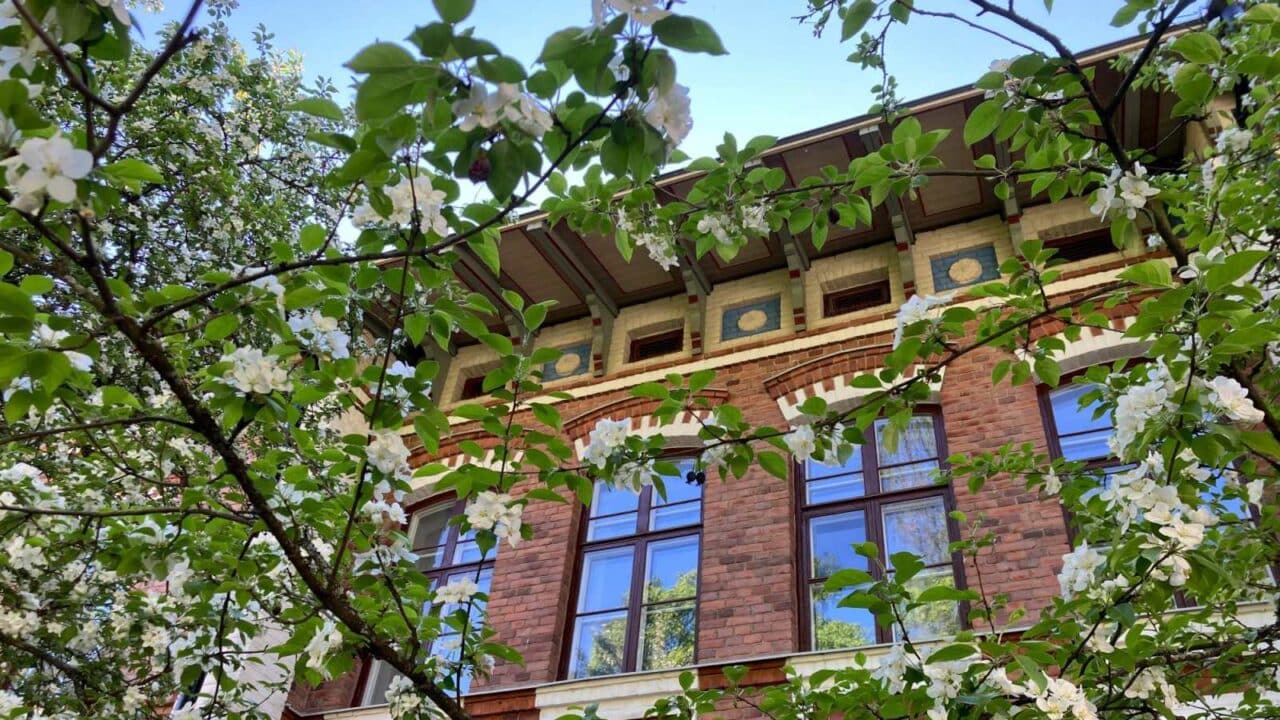
The fascinating three-destination University of Jyväskylä Science Museum
Located in the heart of Jyväskylä, the University of Jyväskylä Science Museum offers three fascinating destinations that showcase cultural and natural heritage: the Natural History Museum, Exhibition Centre Soihtu, and the botanical garden. The Science Museum provides an opportunity to explore cultural-historical and natural science collections, the Botanical Garden, and the university’s art collection. Also available are online exhibitions from materials spanning different decades and mobile guides to, for example, the history of Jyväskylä city.
Located in Harju’s Vesilinna, the Natural History Museum’s exhibitions reveal the diverse nature of Central Finland to visitors. The permanent exhibition “Environment as heritage” guides visitors through the region’s varied natural sites. In addition to the permanent exhibition, the Natural History Museum features rotating exhibitions. The annual Nature Photos of the Year are among those displayed.
Located on Seminaarinmäki, Exhibition Centre Soihtu introduces visitors to the cultural history of education, science, and environment at the University of Jyväskylä and its predecessors through its permanent exhibition “Oh, Depictions and Whims”. Exhibition Centre Soihtu also displays the Tissari art collection, which contains works by significant Finnish representatives of modernism.
The Jyväskylä University Botanical Garden invites you to explore plant diversity at Seminaarinmäki, Mattilanniemi, Ylistönrinne, and Ruusupuisto. The botanical garden is a living learning environment whose collections showcase plant diversity from native wild plants to exotic species. The botanical garden also offers a peaceful place to refresh and enjoy the beauty of nature in the heart of the city.
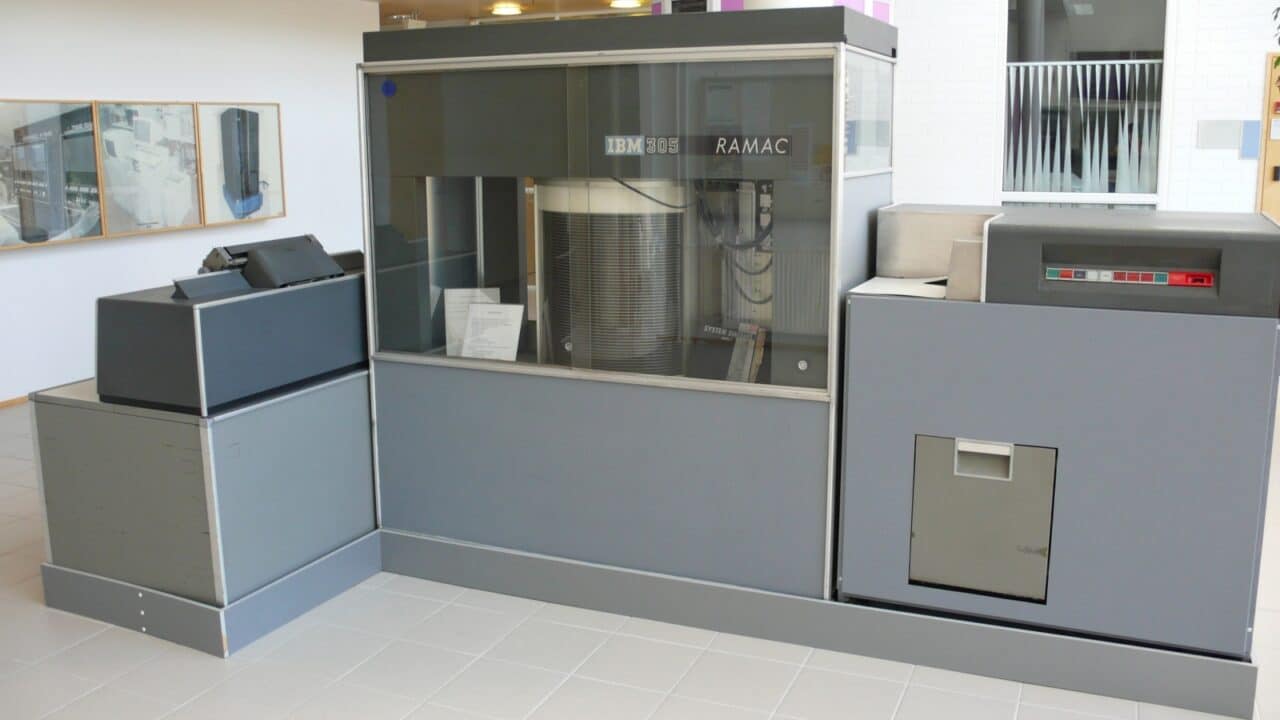
A Digital historian’s treasure trove – Finnish Information Technology Museum
Finnis Computer Museum has been documenting the history of Finnish computers since the 1970s. Its goal is to collect and preserve a comprehensive device collection, providing younger generations with the opportunity to learn about the history of information technology in a realistic way. The collection offers a unique insight into Finland’s digitalisation, showcasing everything from punch card machines to pocket computers.
The Finnish Data Processing Museum Association manages the museum’s operations in cooperation with the Central Finland Museum and the Museum of Technology. The association was founded by Ilari Taulio, who had been privately collecting material for the museum association since the 1970s. The Finnish Computer Museum’s collection of historical IT equipment is unparalleled in Finland and includes Finland’s earliest computer models. Today, the museum’s collections contain around 600 computers, processing devices, and maintenance tools, all of which have been donated by companies and individuals.
The permanent exhibition of the Finnish Data Processing Museum is located in the University of Jyväskylä’s Agora Technology Center building in Mattilanniemi. The Data Processing Museum Association’s warehouse exhibition can be visited at the Kanavuori depot in Vaajakoski.
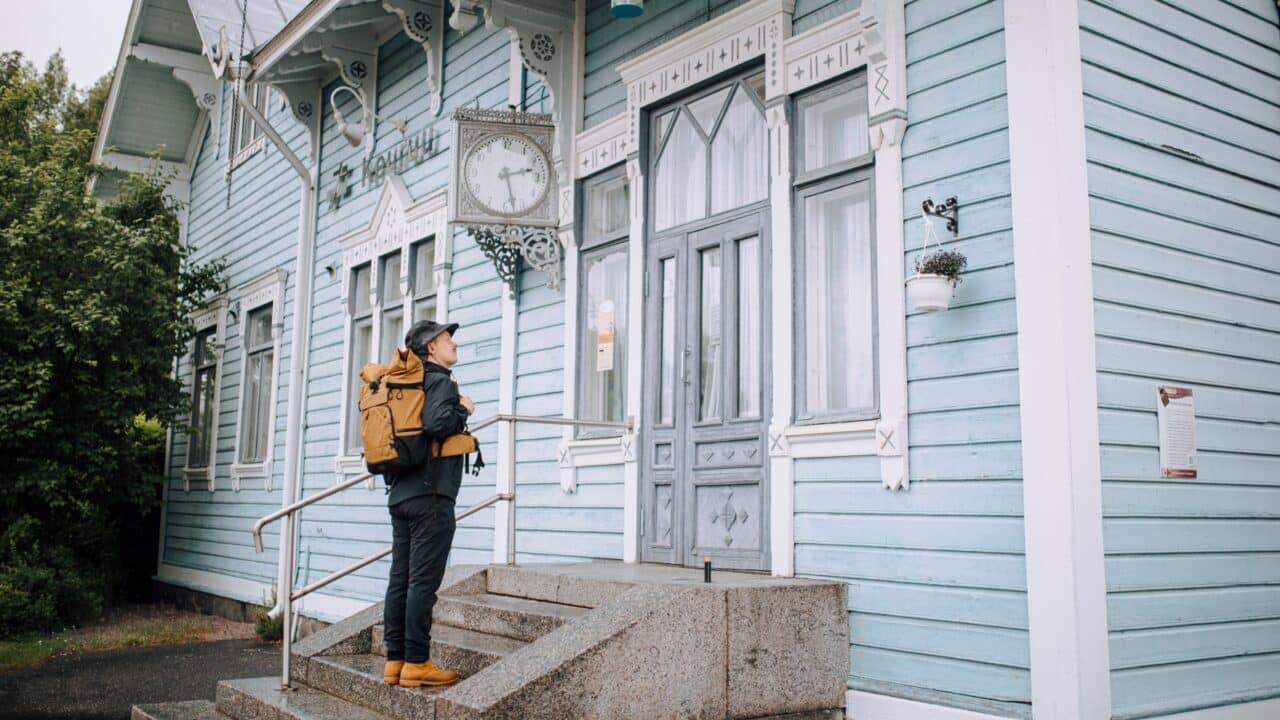
Central Finland’s most unique collection exhibitions and collections
In addition to special museums, Central Finland also features several unique collection exhibitions and collections. In Keuruu, the Keuruu Railway Station, designed by Bruno Granholm and decorated with wood carvings, which was chosen as Finland’s most beautiful station, is itself a magnificent architectural sight. At the old railway station, visitors can admire nostalgic collections, such as enamel lamps and dishes in retro colors.
Located near Harju in Jyväskylä, Kyuheikan presents visitors with the stunning harvest of over thirty years of collecting. This is Scandinavia’s most comprehensive samurai-themed collection, with the oldest swords dating back to the 14th century. The samurai-themed objects, weapons, and equipment on display are masterpieces of craftsmanship from each era.
The Elvis Cabin, located near Kanavuori in Vaajakoski and founded in 2008 by Marjatta Kinnunen, who fell in love with Elvis’s music already in the 1950s, captivates visitors with a devoted Elvis fan’s convincing collection that showcases the career of one of popular culture’s most significant figures as a singer, actor, and idol.
You might also be interested in…
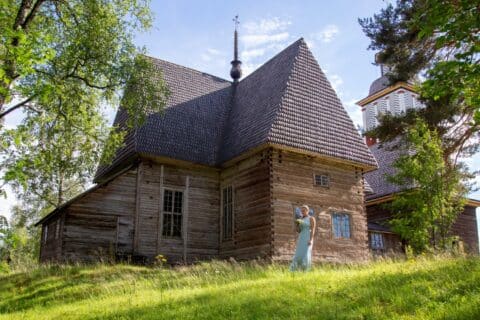
Explore Cultural Heritage Sites in the Jyväskylä Region
Let the significant sites of Central Finnish cultural heritage enchant you with their uniqueness: you can choose, for example, various themed self-guided and guided public tours, the UNESCO site Petäjävesi Old Church, or Alvar Aalto’s architectural sites.
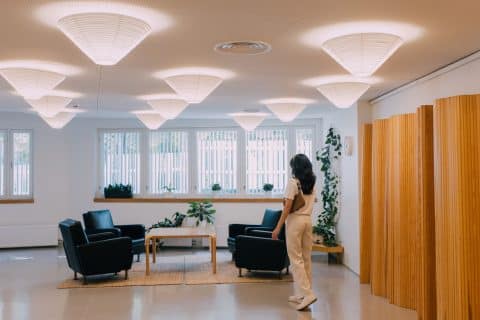
Alvar Aalto’s unique architecture
In Central Finland, Alvar Aalto sites are abundant: you can start the tour, for example, from the Aalto2 museum center that preserves Aalto’s life’s work, then head to Lutakko harbor to admire Aalto’s designed unique boat alongside Sataman Viilu, and continue to the monumental Säynätsalo Town Hall.

Learn about Wivi Lönn’s story
Jyväskylä’s architecture is enriched by numerous sites designed by architect Wivi Lönn, for example the magnificent villas of Älylä, Kuokkala Manor and Puistokoulu. On self-guided and guided Wivi Lönn tours, you can dive deeper into the world of Lönn’s architecture.
What did you think of our content?
Your feedback is important to us. We are continuously improving our content based on the feedback we receive.